
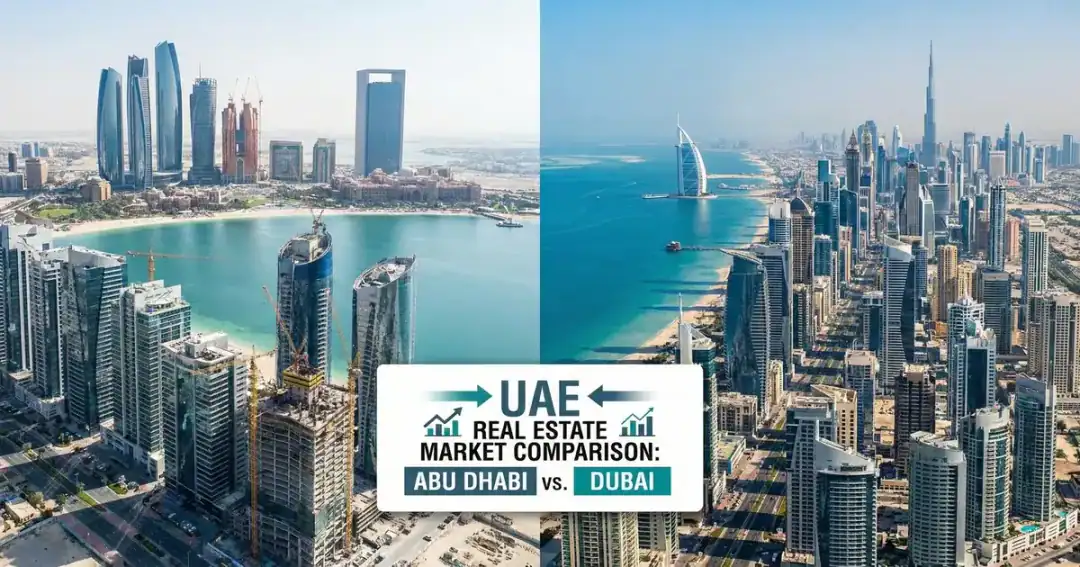
UAE Property Market Analysis: Why Abu Dhabi Outperformed Dubai in 2025 Growth
9 min read
About Masterpiece Property
Masterpiece Property LLC is a real estate brokerage licensed by the Abu Dhabi Real Estate Centre (ADREC), profession licence 20250000451516, trade licence CN-5713917, with two offices in Al Zahiyah, Abu Dhabi.
Our ADREC licensed brokers help buyers and sellers with ready and off-plan homes on Saadiyat, Yas, Al Reem and Hudayriyat Islands, in English and Arabic. Call 800 666 888.
Rental Yields: Dubai Leads
Dubai Rental Yields
- Average: 7-10%
- High-yield areas: Dubai Marina, Downtown Dubai (8-10%)
- Mid-tier areas: Jumeirah Village Circle, Dubai Sports City (7-9%)
- Luxury areas: Palm Jumeirah, Emirates Hills (5-7%)
Abu Dhabi Rental Yields
- Average: 5-7%
- High-yield areas: Al Reem Island, Reem Hills (6-7%)
- Mid-tier areas: Al Reef, Khalifa City (5-6%)
- Luxury areas: Saadiyat Island, Yas Island (3-5%)
Capital Appreciation: Abu Dhabi Accelerating
2025 Capital Growth
- Abu Dhabi: 6-8% average property price appreciation
- Dubai: 4-6% average property price appreciation
Abu Dhabi:
- Yas Island: +17% year-on-year
- Al Reem Island: +10.7% year-on-year
- Saadiyat Island: +8% year-on-year
Dubai:
- Dubai South: +12% year-on-year
- Dubai Hills Estate: +9% year-on-year
- Business Bay: +7% year-on-year
Market Stability and Volatility
Price Volatility Comparison
Abu Dhabi
- Lower volatility: ±3-5% annual price fluctuations
- Cash transaction rate: ~75%
- Government backing: Strong regulatory oversight
- Supply control: Disciplined development pipeline
Dubai
- Higher volatility: ±8-12% annual price fluctuations
- Cash transaction rate: ~60%
- International exposure: More sensitive to global conditions
- Supply dynamic: More aggressive development
Market Corrections History
Dubai's Volatility Profile
- 2008-2009: -50% decline during global crisis
- 2014-2018: -30% decline during oil price crash
- 2020: -15% pandemic impact
- 2021-2025: +60% recovery and growth
Abu Dhabi's Stability Profile
- 2008-2009: -35% decline (less severe than Dubai)
- 2014-2018: -20% decline (more moderate)
- 2020: -8% pandemic impact
- 2021-2025: +45% recovery and growth
Pricing and Affordability
Average Property Prices (2026)
Dubai
- 1-bedroom apartment: AED 1.2-1.8 million
- 2-bedroom apartment: AED 1.8-2.8 million
- 3-bedroom villa: AED 3.5-8 million
- Luxury villa: AED 10-50+ million
Abu Dhabi
- 1-bedroom apartment: AED 1.0-1.4 million (15-20% cheaper)
- 2-bedroom apartment: AED 1.4-2.2 million (20-25% cheaper)
- 3-bedroom villa: AED 2.8-6 million (20-30% cheaper)
- Luxury villa: AED 8-40+ million (15-25% cheaper)
Price Per Square Foot Comparison
Dubai Prime Areas
- Downtown Dubai: AED 2,200-3,500/sqft
- Dubai Marina: AED 1,800-2,800/sqft
- Palm Jumeirah: AED 2,500-4,000/sqft
Abu Dhabi Prime Areas
- Saadiyat Island: AED 1,800-2,800/sqft (20-25% cheaper)
- Yas Island: AED 1,500-2,300/sqft (25-30% cheaper)
- Al Reem Island: AED 1,200-1,800/sqft (35-40% cheaper)
Foreign Investment Patterns
International Investor Participation
Dubai's International Profile
- Foreign buyer share: ~70-75% of transactions
- Top nationalities: India, UK, Pakistan, Egypt, Saudi Arabia
- International brand appeal: Global city recognition
- Investment accessibility: Extensive international marketing
Abu Dhabi's Growing International Appeal
- Foreign buyer share: ~55-60% of transactions (growing rapidly)
- Top nationalities: India, UK, GCC countries, China, Egypt
- Government support: Abu Dhabi Investment Office initiatives
- Strategic positioning: Capital city premium
FDI Growth Comparison
- Abu Dhabi: +35% year-on-year FDI growth (2025)
- Dubai: +18% year-on-year FDI growth (2025)
Supply Pipeline and Future Development
Development Pipeline 2026-2028
Dubai
- Projected new units: 180,000+ (2026-2028)
- Annual completion rate: 60,000 units
- Risk factor: Potential oversupply in some submarkets
- Developer landscape: 200+ active developers
Abu Dhabi
- Projected new units: 46,600 (2026-2028)
- Annual completion rate: 15,500 units
- Risk factor: Low, disciplined supply management
- Developer landscape: 30-40 major developers
Lifestyle and Community Factors
Dubai's Urban Lifestyle
Strengths
- Global city atmosphere
- Unmatched dining and entertainment
- Burj Khalifa, Dubai Mall, Expo City
- 24/7 urban energy
- International school variety
Target Demographic
- Young professionals (25-40)
- Entrepreneurs and business owners
- International assignees (2-5 year stays)
- Investors seeking high yields
Abu Dhabi's Family-Oriented Environment
Strengths
- Quieter, more residential character
- Cultural attractions (Louvre, Qasr Al Watan)
- Beach lifestyle (Saadiyat, Yas)
- Government employment stability
- Lower cost of living
Target Demographic
- Families with children
- Government employees
- Long-term residents (5+ years)
- Investors seeking stability
Regulatory Environment and Government Support
Dubai's Free Market Approach
Characteristics
- Minimal intervention in market dynamics
- Developer-driven growth
- International investor-friendly
- Flexible zoning regulations
- Escrow account protection
Abu Dhabi's Planned Development Model
Characteristics
- Strategic government oversight
- Master-planned communities
- Quality control emphasis
- Infrastructure-first approach
- Long-term vision (Abu Dhabi Economic Vision 2030)
Golden Visa and Residency Benefits
Dubai Golden Visa Pathways
Real Estate Route
- Property value: AED 2 million minimum
- Visa duration: 10 years
- Processing time: 2-4 weeks
- Family sponsorship: Yes
Abu Dhabi Golden Visa Advantages
Same requirements as Dubai, but with additional benefits
- Government employment opportunities
- Potentially lower living costs
- Access to Abu Dhabi Investment Office programs
- Growing infrastructure investments
Investment Strategy Recommendations
When to Choose Dubai
Ideal for
- High-yield seekers: Targeting 7-10% rental returns
- Short-term investors: 3-5 year investment horizon
- Urban lifestyle buyers: Prefer metropolitan energy
- International exposure: Want globally recognized location
- Active traders: Comfortable with market volatility
Recommended Dubai Areas
- Dubai Marina (yield focus)
- Downtown Dubai (prestige + yield)
- Jumeirah Village Circle (affordability + yield)
- Business Bay (commercial + residential mix)
When to Choose Abu Dhabi
Ideal for
- Stability seekers: Prioritize capital preservation
- Long-term investors: 7-10+ year horizon
- Family buyers: Seeking residential communities
- Value buyers: Want lower entry prices
- Risk-averse investors: Prefer moderate, steady returns
Recommended Abu Dhabi Areas
- Al Reem Island (yield + liquidity)
- Yas Island (capital appreciation)
- Saadiyat Island (luxury + culture)
- Reem Hills (emerging value)
Portfolio Allocation Strategy
Balanced UAE Real Estate Portfolio
For diversified investors, consider a hybrid approach:
60/40 Strategy
- 60% Dubai: Higher yields, active trading, international brand
- 40% Abu Dhabi: Stability, capital preservation, lower volatility
50/50 Strategy
- Equal allocation to both emirates
- Dubai for income generation
- Abu Dhabi for capital growth and stability
40/60 Strategy (Conservative)
- 40% Dubai: Selective high-yield properties
- 60% Abu Dhabi: Core portfolio stability
Dubai (AED 3M):
- AED 1.5M: Dubai Marina 1-bed (8% yield)
- AED 1.5M: Business Bay 1-bed (7.5% yield)
- Expected return: 7.75% yield + 5% appreciation
Abu Dhabi (AED 2M):
- AED 1.0M: Al Reem Island 1-bed (6% yield)
- AED 1.0M: Yas Island 2-bed (5% yield)
- Expected return: 5.5% yield + 8% appreciation
Portfolio Performance Projection
- Weighted rental yield: 6.85%
- Weighted capital appreciation: 6.2%
- Total return: 13.05%
- Volatility: Moderate (balanced by Abu Dhabi allocation)
2026 Outlook: Market Predictions
Dubai Forecast
Price Growth: 4-6% (moderating from 2025)Rental Growth: 2-4% (stabilizing)Transaction Volume: Stable to slight increaseKey Drivers: Expo legacy, infrastructure completion, international eventsRisks: Oversupply in select submarkets, global economic sensitivityAbu Dhabi Forecast
Price Growth: 6-8% (maintaining momentum)Rental Growth: 4-6% (lifestyle premium expansion)Transaction Volume: 15-20% increase (continued growth)Key Drivers: Government initiatives, cultural projects, supply disciplineRisks: Oil price volatility impact, smaller liquidity poolConclusion
Abu Dhabi's 47% transaction value growth in 2025 versus Dubai's 20% represents a fundamental shift in UAE real estate dynamics. While Dubai remains the income-generating powerhouse with 7-10% yields and unmatched liquidity, Abu Dhabi has emerged as the capital appreciation and stability leader.
Key Takeaways
- Different goals, different emirates: Dubai for yield, Abu Dhabi for growth
- Growth rate vs. size: Abu Dhabi's percentage growth outpaced Dubai despite smaller transaction volumes
- Volatility trade-off: Abu Dhabi offers 40% less volatility than Dubai
- Pricing advantage: Abu Dhabi properties are 15-30% cheaper across all segments
- Supply discipline: Abu Dhabi's controlled pipeline supports price appreciation
As Abu Dhabi continues catching up from its lower base while maintaining supply discipline, investors who entered the market in 2025-2026 may realize superior risk-adjusted returns over the coming decade compared to Dubai's more mature, higher-volatility market.
Masterpiece Property is based in Abu Dhabi, and our agents can show investors who are used to Dubai how the registration, the escrow rules and the ownership zones work here; our ADREC and DARI guide explains the system.
Sources & References
- 8 key trends shaping Dubai and Abu Dhabi's residential real estate market in 2026
- Abu Dhabi vs. Dubai: Comparing Two Major UAE Real Estate Markets
- Dubai Vs Abu Dhabi Real Estate: A Strategic Allocation Guide for HNWIs
- Dubai vs Abu Dhabi Real Estate, Investor Guide 2026
- Dubai vs Abu Dhabi Property Returns: 2026 Comparison
Sources & References
- 8 key trends shaping Dubai and Abu Dhabi\'s residential real estate market in 2026
- Abu Dhabi vs. Dubai: Comparing Two Major UAE Real Estate Markets
- Dubai Vs Abu Dhabi Real Estate: A Strategic Allocation Guide for HNWIs
- Dubai vs Abu Dhabi Real Estate, Investor Guide 2026
- Dubai vs Abu Dhabi Property Returns: 2026 Comparison
Disclaimer: Content is for informational purposes only and does not constitute real estate, legal, or financial advice. Property details, prices, and market data are subject to change. Always seek professional guidance before making any property decision.

Free consultation
Need help choosing the right Abu Dhabi property?
Share your details and our team will connect this article to live projects, availability, payment plans, and suitable investment options.
AvailabilityPayment plansInvestment fit
800 666 888Related Projects
Explore matching off-plan opportunities
Curated projects connected to this topic, with current launches and investment-ready options.
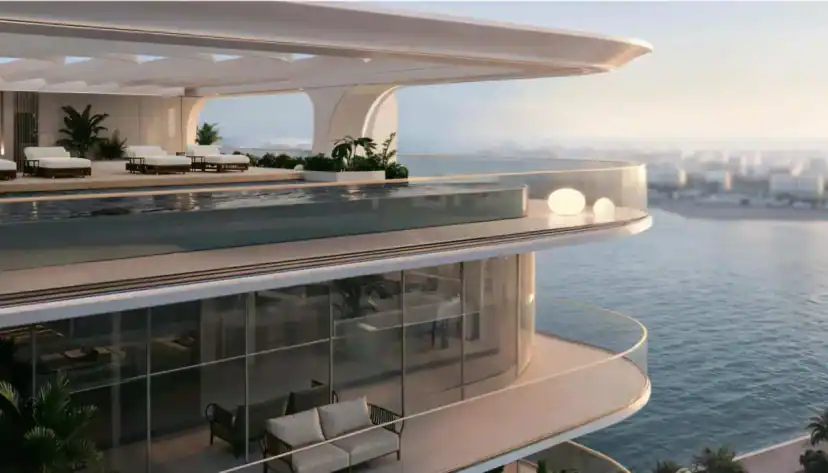 Handover 2028STELLAR by ELIE SAAB at Yas BayYas IslandBy Emirates DevelopmentsFrom AED 2,200,000View project
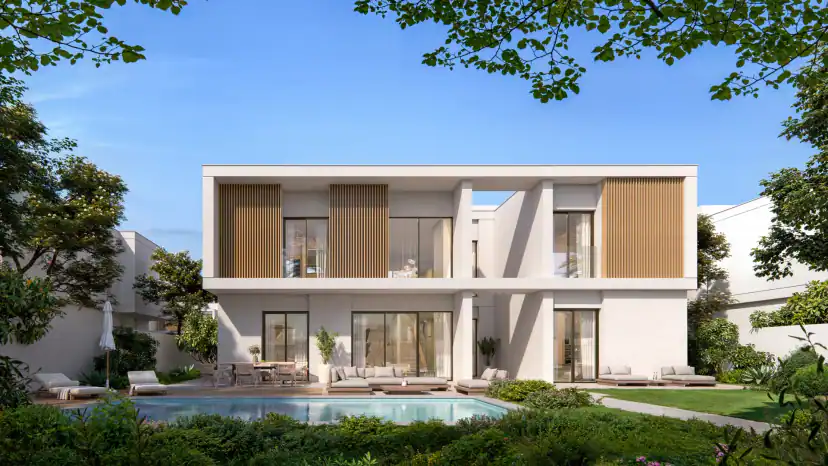 Handover Q3 2030Yas Riva ReserveYas IslandBy Aldar PropertiesFrom AED 7,900,000View project
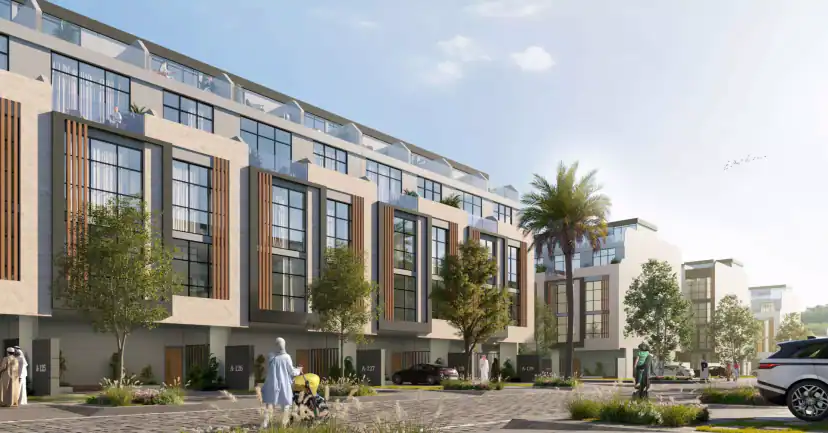 Handover Q3 2028Reportage Village Khalifa CityKhalifa CityBy Reportage PropertiesFrom AED 4,380,000View project