Abu Dhabi Estidama Pearl Rating System
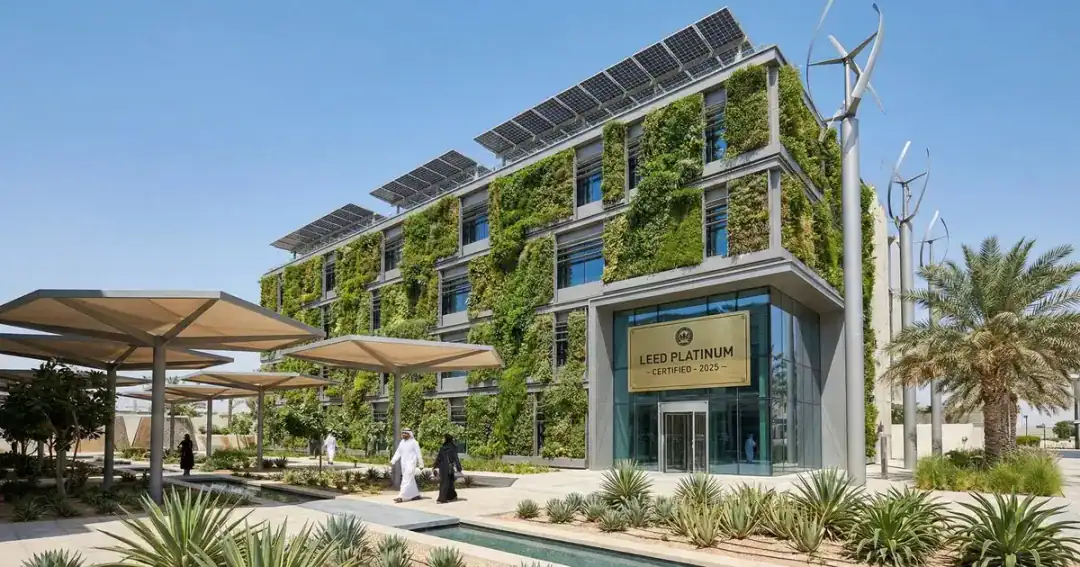
Abu Dhabi mandates Estidama Pearl Rating for all new buildings, making it the world's first city-wide mandatory sustainability certification system. The Pearl rating directly influences property values, marketability, and operational costs.
| Pearl Rating | Requirements | Market Premium |
|---|
| 1 Pearl | Mandatory minimum for all new buildings | Baseline standard |
| 2 Pearl | Enhanced sustainability measures | 3-5% price premium |
| 3 Pearl | Government buildings minimum, significant green features | 5-8% premium |
| 4 Pearl | Advanced sustainability, near-zero waste | 8-12% premium |
| 5 Pearl | Highest achievable, exemplary sustainability | 12-15%+ premium |
International Certifications in Abu Dhabi
| Certification | Properties Certified | Focus Area |
|---|
| LEED (Leadership in Energy and Environmental Design) | 200+ buildings | Energy, water, materials, indoor quality |
| BREEAM (Building Research Establishment) | 50+ buildings | Environmental performance assessment |
| WELL Building Standard | 30+ buildings | Occupant health and wellbeing |
| Fitwel | 15+ buildings | Health-focused design |
| Estidama Pearl | All new buildings (mandatory) | Abu Dhabi-specific sustainability |
Energy Efficiency in Abu Dhabi Properties
The Cost Case for Green Buildings
Abu Dhabi's climate makes energy efficiency particularly impactful. With outdoor temperatures reaching 48°C and cooling representing 60-70% of utility costs, even modest efficiency improvements deliver significant savings.
Utility Cost Comparison
| Expense | Standard Building | Green Building (3+ Pearl) | Savings |
|---|
| Electricity (monthly) | AED 800-1,200 | AED 480-720 | 35-40% |
| Water (monthly) | AED 150-250 | AED 90-150 | 35-40% |
| District cooling (monthly) | AED 500-800 | AED 300-480 | 35-40% |
| Annual total (2-bed apt) | AED 17,400-27,000 | AED 10,440-16,200 | AED 7,000-10,800 |
| Annual total (4-bed villa) | AED 36,000-54,000 | AED 21,600-32,400 | AED 14,400-21,600 |
Key Energy-Efficient Technologies
1. High-Performance Building Envelope- Double-glazed low-E windows reducing solar heat gain by 40-60%
- Insulated external walls with thermal break systems
- Cool roof coatings reflecting 65-75% of solar radiation
- Shading devices and canopies reducing direct sun exposure
2. HVAC Optimization- Variable refrigerant flow (VRF) systems reducing energy use by 30-40%
- Heat recovery ventilation maintaining fresh air without cooling loss
- Demand-controlled ventilation based on occupancy sensors
- District cooling connections (50% more efficient than individual units)
3. Water Conservation- Low-flow fixtures reducing water consumption by 30-40%
- Greywater recycling for irrigation and flushing
- Condensate recovery from AC systems (significant in Abu Dhabi's humid months)
- Smart irrigation with soil moisture sensors
4. Renewable Energy Integration- Rooftop solar panels (5-15 kW residential systems)
- Solar water heating reducing hot water energy by 60-70%
- Battery storage enabling peak-shaving and backup power
- Net metering allowing excess solar export to grid
5. Smart Building Management- AI-optimized HVAC scheduling based on occupancy and weather
- LED lighting with daylight harvesting sensors
- Real-time energy monitoring and anomaly detection
- Predictive maintenance reducing equipment failure and waste
Sustainable Communities in Abu Dhabi
Masdar City: Global Sustainability Benchmark
Sustainability Achievements
- 50% energy reduction compared to Abu Dhabi average
- 40% water reduction through recycling and efficiency
- 90% waste diversion from landfill
- 15-20°C cooler street temperatures through urban design
- Autonomous Personal Rapid Transit (PRT) system
Property Impact
- Studios from AED 500K with 7-8.5% rental yields
- Institutional tenant demand (IRENA, Khalifa University, 800+ companies)
- 25-40% lower utility costs vs standard buildings
- Growing ESG investor interest driving demand
Saadiyat Island: Nature-Integrated Development
Environmental Features
- Saadiyat Beach protected as hawksbill turtle nesting site
- Mangrove conservation zones integrated into community design
- Low-density development preserving natural landscape
- Sustainable drainage and water management systems
Property Impact
- Nature proximity commands 10-15% premium over comparable urban locations
- Eco-tourism appeal supporting short-term rental demand
- Environmental protection limiting future development (supply constraint)
Al Jubail Mangrove Park: Ecological Asset
Environmental Significance
- 75% of Abu Dhabi's Eastern Mangrove ecosystem
- Carbon sequestration equivalent to removing 22,000 cars annually
- Biodiversity habitat supporting 60+ bird species
- Eco-tourism attraction with 300,000+ annual visitors
Property Impact
- Properties within 2 km of mangroves show 8-12% premium
- "Green views" increasingly valued by environmentally conscious buyers
- Protected ecological zones prevent future construction (permanent supply limit)
Financial Returns from Green Buildings
Capital Appreciation
| Property Type | Standard Appreciation (5-yr) | Green-Certified Appreciation (5-yr) | Green Premium |
|---|
| Premium apartment | 40-55% | 48-65% | +8-10% additional |
| Mid-tier apartment | 30-45% | 36-52% | +6-7% additional |
| Premium villa | 50-70% | 58-80% | +8-10% additional |
| Affordable apartment | 25-35% | 30-42% | +5-7% additional |
Rental Yield Enhancement
Green-certified properties consistently outperform standard properties in rental metrics:
| Metric | Standard | Green-Certified | Improvement |
|---|
| Gross yield | 6.0% | 6.8% | +0.8% |
| Vacancy rate | 8-12% | 4-7% | -4-5 points |
| Tenant retention | 55-60% | 72-80% | +15-20 points |
| Lease length (avg) | 1.2 years | 1.8 years | +50% |
| Maintenance cost | AED 12/sqft | AED 8/sqft | -33% |
Investment Case Study
Green-Certified 2-Bed Apartment vs Standard (Al Reem Island)| Factor | Standard | Green (3-Pearl) |
|---|
| Purchase price | AED 1,300,000 | AED 1,380,000 |
| Annual rent | AED 82,000 | AED 90,000 |
| Annual utilities (tenant saving) | n/a | AED 8,000 savings |
| Effective tenant cost | AED 82,000 | AED 82,000 (rent minus savings) |
| Yield to investor | 6.3% | 6.5% |
| 5-year appreciation | +42% (AED 546K) | +50% (AED 690K) |
| 5-year rent income | AED 410K | AED 450K |
| Total 5-year return | AED 956K (73.5%) | AED 1,140K (82.6%) |
Net advantage of green property: AED 184,000 (additional 9.1% return) on AED 80,000 premium investment = 230% ROI on the green premium.
Solar Energy in Abu Dhabi Residential Properties
Solar Potential
Abu Dhabi receives 350+ days of sunshine annually, making it one of the world's best locations for solar energy generation:
| System Size | Annual Generation | Annual Saving (AED) | Payback Period |
|---|
| 5 kW (apartment contribution) | 8,000-9,000 kWh | 3,600-4,500 | 5-7 years |
| 10 kW (townhouse) | 16,000-18,000 kWh | 7,200-9,000 | 4-6 years |
| 15 kW (villa) | 24,000-27,000 kWh | 10,800-13,500 | 4-5 years |
| 20 kW (large villa) | 32,000-36,000 kWh | 14,400-18,000 | 3-5 years |
Net Metering Programme
Abu Dhabi Distribution Company (ADDC) allows residential solar system owners to export excess electricity to the grid:
- Credits applied to electricity bills
- System size up to 5 MW for residential
- No additional metering cost
- Net billing settlement annually
Solar Impact on Property Values
Properties with existing solar installations command:
- 3-5% price premium for small residential systems
- 5-8% premium for comprehensive solar with battery storage
- Higher rental appeal due to lower tenant utility costs
- Future-proofed against rising electricity tariffs
Green Building Materials & Construction
Sustainable Materials in Abu Dhabi Development
| Material | Application | Environmental Benefit |
|---|
| Recycled steel | Structural framing | 75% less energy than virgin steel |
| Low-carbon concrete | Foundations, slabs | 30-50% lower embodied carbon |
| Recycled aluminium | Windows, cladding | 95% energy saving vs new aluminium |
| FSC-certified wood | Interior finishing | Sustainable forestry practices |
| Low-VOC paints | Interior walls | Better indoor air quality |
| Recycled glass | Insulation, countertops | Diverts waste from landfill |
Construction Waste Management
Abu Dhabi mandates construction waste management plans for all developments:
- Minimum 50% construction waste diversion from landfill
- Demolition waste recycling requirements
- Material tracking and reporting
- Penalties for non-compliance
ESG Investment Trend
Growing ESG Focus in Real Estate
Environmental, Social, and Governance (ESG) criteria are increasingly influencing real estate investment decisions:
| ESG Factor | Real Estate Application | Market Impact |
|---|
| Environmental | Green certification, energy efficiency | 5-12% value premium |
| Social | Community design, accessibility, health | Tenant satisfaction, retention |
| Governance | Transparent management, fair practices | Institutional investor confidence |
Institutional Investor Requirements
Major institutional investors are mandating ESG compliance:
- Sovereign wealth funds: Requiring ESG-compliant portfolios
- Pension funds: Minimum green certification for new acquisitions
- REIT standards: ESG reporting becoming mandatory
- Insurance requirements: Lower premiums for green-certified buildings
Impact for individual investors: Properties that meet institutional ESG standards have larger potential buyer pool at exit, supporting liquidity and valuations.
Who Should Invest in Green Properties?
Profile 1: ESG-Conscious Investor
- Values environmental responsibility alongside returns
- Budget: AED 1M-3M
- Property: Green-certified apartment in Masdar City or Saadiyat
- Goal: 6-8% yield with sustainability credentials
Profile 2: Cost-Optimization Investor
- Focused on minimizing operating costs to maximize net yield
- Budget: AED 800K-2M
- Property: Energy-efficient apartment with solar potential
- Goal: Lower service charges, higher net rental income
Profile 3: Long-Term Value Investor
- Believes green premium will increase as regulations tighten
- Budget: AED 1.5M-5M
- Property: High-rated green villa or apartment
- Goal: Above-market appreciation as green demand grows
Conclusion
Sustainable real estate in Abu Dhabi has moved beyond environmental idealism into measurable financial performance. Green-certified properties deliver 25-40% lower utility costs, 5-12% price premiums, higher tenant retention, and stronger long-term appreciation. With government mandates (Estidama), international commitments (Net Zero 2050), and growing ESG investor requirements all converging, the financial case for green buildings will only strengthen.
Key Takeaways
- Utility savings: 25-40% lower costs in green buildings (AED 7K-22K annually)
- Price premiums: 5-12% above comparable standard properties
- Rental advantage: Higher yields, lower vacancy, longer tenancies
- Solar opportunity: 3-7 year payback with 350+ days of sunshine
- Estidama mandatory: All new Abu Dhabi buildings require minimum 1 Pearl
- ESG momentum: Institutional investors increasingly requiring green compliance
- Long-term value: Green premium expected to grow as regulations tighten
For investors and homebuyers, sustainability is no longer a trade-off, it is a financial advantage that compounds over time through lower costs, higher rents, stronger appreciation, and broader exit liquidity.
Masterpiece Property lists homes in Masdar City and other Estidama rated communities, and our agents can arrange viewings that compare a green certified unit with a standard one at the same budget; see our Masdar City page.
Sources & References
- Abu Dhabi Estidama Pearl Rating System
- UAE Net Zero 2050 Strategy
- Masdar City Sustainability Report
- Green Building Impact on Property Values
- IRENA Renewable Energy Statistics
- Abu Dhabi Solar Energy Regulations